Monday, 23 May 2011

[EN] Grave and unpleasant readings / [RO] Lecturi grave şi neplăcute (8)


[EN] For many children from countries like the UK and Romania, the future will look exactly like this pic :-( [RO] Pentru mulţi copii din ţări precum UK şi România, viitorul va arăta exact ca această poză :-(

[EN] By no means ‘bright and prosperous’, as their parents may have imagined, but rather dark and frightening. [RO] În niciun caz ‘strălucitor şi prosper’, precum părinţii lor şi-or fi imaginat, ci mai degrabă întunecat şi înspăimânător.

[EN] In 2007 (before the economic crisis!), the UNICEF had identified a ‘failed generation of British children’. [RO] În 2007 (înainte de criza economică!), UNICEF identificase o ‘generaţie ratată de copii britanici’.

[EN] In 2009, another study showed that British children were some of the least happy in Europe.  [RO] În 2009, alt studiu arăta copiii britanici a fi unii dintre cei mai puţin fericiţi din Europa.

[EN] Romania and Great Britain share the podium of ‘abortion champions’, thus it’s no surprise to find them ‘together’ again. [RO] România şi Marea Britanie împart podiumul campioanelor la avort’, aşadar nu este o surpriză a le găsi ‘împreună’ din nou.

[EN] On this ‘index of child misery’, the UK is the 24th place, and Romania the 25th (from 29 European states). [RO] Într-un ‘index al nefericirii copiilor’, UK este pe locul al 24-lea, iar România pe al 25-lea (din 29 de state europene).

[EN] The happiest (?!) children live in Holland (1), Sweden  & Norway; the unhappiest (?!) in Latvia, Lithuania & Malta (29). [RO] Cei mai fericiţi (?!) copii trăiesc în Olanda, Suedia şi Norvegia; cei mai nefericiţi (?!) în Letonia, Lituania şi Malta (29).

[EN] Far from giving 100% credit to (much idolatrised) statistics, is there a smoke without a fire? [RO] Departe de a da crezare 100% (mult idolatrizatelor) statistici, iese fum fără foc?

[EN] I gathered some unpleasant things to read which could (at least partially) explain why the future will look like in the  pic :-( [RO] Am strâns câteva lucruri neplăcute de citit care ar putea (măcar parţial) să explice de ce viitorul va arăta ca în poză :-(

[EN] The proposed readings: / [RO] Lecturile propuse:

[EN] 1) First of all, the ‘riskiest’ thing is getting born in an  country favouring abortion (be it UK or Romania) – here, here, here.
[RO] 2) Întâi de toate, cel mai riscant’ lucru este să te naşti  într-o ţară care favorizează avortul (fie că e UK sau România) – aici, aiciaici.
--- --- --- --- --- --- --- --- --- --- --- ---
[EN] 3) Seldom in a family (or no normal one), more and more often in a test tube – prone to medical problems (+ here, here, here, here, here).
[RO] 4) Rar într-o familie (sau nu una normală), din ce în ce mai des într-o eprubetă – predispuşi la probleme medicale (+ aici, aici, aici, aici, aici).
--- --- --- --- --- --- --- --- --- --- --- ---
[EN] 5) Children old as 4-7 years are taught about sex, but not love and marriage (here, here, here), and can be denounced as racists (at the age of 3!) in a political correct society.
[RO] 6) Copiii de 4-7 ani sunt învăţaţi despre sex, dar nu despre dragoste şi căsătorie – aici, aici, aici, aici. şi pot fi denunţaţi ca rasişti (la 3 ani!) într-o societate politic corectă.
--- --- --- --- --- --- --- --- --- --- --- ---
[EN] 7) It’s no wonder they grow up behaving like they do – being firstly victims of crimes (+ here, here) then perpetrators or simply amoral beasts: here, here, here, here, here, here, here, here, here, here, here, here, here, here, here, here, here, here, here.
[RO] 8) Nu e de mirare că cresc comportându-se cum o fac – fiind mai întâi victime ale infracţiunilor (+ aici, aici), apoi făptuitori sau pur şi simplu bestii amorale’: aici, aici, aici, aici, aici, aici, aici, aici, aici, aici, here, here.

[For all the episodes of this series, and all the posts on this blog go to/Pentru toate episoadele din această serie şi toate postările de pe acest blog mergi la: Contents/Cuprins]

Friday, 20 May 2011

God’s place in a humanist society (16) [Locul lui Dumnezeu într-o societate umanistă]


Let’s assume that Stephen Hawking were right: there is no God, no afterlife, no Heaven :-(

Then, why would some British youngsters be searching for a meaning beyond the utter meaninglessness of ‘modern life’ and its array of dead-end choices?


Why would university walls and shop windows – from East Sussex to Fife, and farther north, to the Scottish Highlands, according to what I saw and photographed – be full of posters like these ones...

....advertising religions that promise meditation, peace, wisdom,  introspection, vision, illumination, self-discovery, fulfillment?!?!?!


Most secular Brits appear to have ceased thinking of any metaphysical dimension of life. 

As Pavlov’s dogs, they are being conditioned to judge that “(any) religion = (mostly) bad”, thus they frown upon any religious weirdos (like me :-).


Nevertheless, some are seaching for something that makes sense in a world deprived of a spiritual perspective of daily reality. 

They are yearning for their Maker, for God – exactly for the One Who was turned into a ‘bad character’ in contemporary political correct societies.


If this ‘science guru’ was right, then all his compatriots soaking with consumerism, hedonism, binge drinking and promiscuity would be right to take that self-destructive path in life.  

The silly ones would be those looking for meanings, including Hawking, wouldnt they?


Science, among everything else, would remain altogether futile.  “Let us eat and drink, for tomorrow we die” – that would make a perfect philosophy.   

Attempting to explain the Universe, as a ‘science ayatollah’ like Hawking does, would be equally meaningless.


The Lord may find a way to the hearts of those genuinely seeking for Him, even to those who are lured like sheep to a wolfs lair by all these prophets, gurus, visionaries... 

They are but unscrupulous people selling illusions (see these posters!), whose trade is as often morally damaging and socially dangerous as human trafficking is.


On the flip side, it’s most likely that He will never reveal Himself to those who are self-confidently (but utterly unscientifically!) decreeing “Thou don’t exist!”. 

It’s quite a sad character this Hawking, and emblematic for the way Britons claim that they are better off without any concept (at least!) of God.

[For all the episodes of this series, and all the posts on this blog go to/Pentru toate episoadele din această serie şi toate postările de pe acest blog mergi la: Contents/Cuprins]

Wednesday, 18 May 2011

[EN] No comment / [RO] Fără comentarii (9)


[EN] I didn’t think such ‘old fashioned’ (?!) icrecream vans still exist in the UK.  [RO] Nu credeam că astfel de dubiţe de îngheţată demodate’ (?!) există încă UK.

[EN] I hadn’t see any. I only knew that the Brits really have no problem with eating icecream in winter[RO] Nu văzusem niciuna. Ştiam doar că britanicii nu au o problemă în a mânca îngheţată iarna.
.
[EN] The image was taken in Feb 2011, in Liverpool – another piece of evidence that rainy days are not taken too seriously in the UK. [RO] Imaginea a fost făcută în Feb 2011, în Liverpool – altă dovadă că zilele ploaioase nu sunt luate prea în serios în UK.

[EN] I would have said that selling icecream like this today is something almost exclusively Italian; well, it isn’t. [RO] Aş fi zis că a vinde astfel îngheţata azi este ceva aproape exclusiv italian; ei bine, nu este.
.
[EN] But that was before my reader Mihai Gociu sent me the first pic, to which I add one from Rome. [RO] Dar asta era până ce cititorul meu Mihai Gociu mi-a trimis poza de mai sus, la care adaug una de la Roma.

[EN] Too bad the Nanny State seems determined to uproot the habit. [RO] Păcat că Statul Dădacă pare hotărât să dezrădăcineze obiceiul.

[For all the episodes of this series, and all the posts on this blog go to/Pentru toate episoadele din această serie şi toate postările de pe acest blog mergi la: Contents/Cuprins]

Monday, 16 May 2011

Alcoolul ăsta, prietenul cel mai bun al britanicului? (18) [This alcohol, a Brit's best friend?]

Democraţia pub-ului: cancerul (de ficat, stomac, pancreas şi altele) – înăuntru, în aceste localuri curate ca o farmacie, destul de departe de imaginile crâşmelor insalubre de la noi.

Aceasta cel puţin în peticele salubre din UK străbătute de mine. Nu zic că n-or fi şi localuri mai puţin septice decât cel din imagine...

Cancerul pulmonar, bucal şi de gât – afară, unde fumătorii sunt obligaţi să iasă la fumat şi foarte conştiincios o fac. Spre deosebire de România, unde în majoritatea localurilor se fumează, cu excepţia fast food-urilor de import (McDonalds, KFC etc).

Acum un an, noua coaliţie la putere în UK, promitea: interzicerea vânzării băuturilor alcoolice sub preţul de producţie, revizuirea taxelor în domeniu, refacerea legislaţiei privind licenţierea localurilor şi dublarea la £ 20,000 a amenzilor pentru cei prinşi că le vând alcool minorilor.

Marea sperietoare era aceea că se va permite consiliilor locale şi poliţiei să închidă permanent orice magazin sau bar descoperit că vinde în mod repetat alcool către copii”.

Ce s-a întâmplat după un an? Cel puţin prin februarie 2011, lucrurile stăteau al fel de prost.

Guvernul era avertizat că – între altele, de nu va urma bunul exemplu al Franţei în a renunţa la legislaţia permisivă! – încă 250,000 de britanici vor muri până în 2031.

Şi aceasta doar în Anglia şi Ţara Galilor şi doar din cauza bolilor de ficat care s-ar putea preveni, în condiţiile în care astfel de afecţiuni la cei sub 30 de ani au crescut cu 50% în ultimul deceniu.

[Pentru toate episoadele din această serie şi toate postările de pe acest blog mergi la/For all the episodes of this series, and all the posts on this blog go to: Contents/Cuprins]

[EN] A few wonders from the UK / [RO] Câteva minunăţii din UK (21)


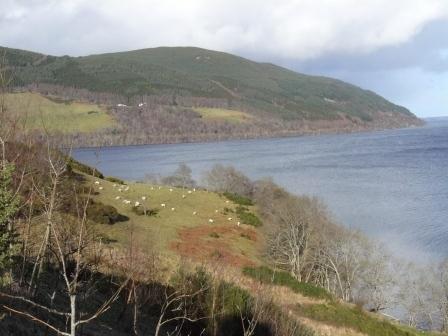
[EN] Like millions of tourists before (and probably after) me, I didn’t see Nessie from the banks of Loch Ness. Of course, this didn’t surprise me :-)

[RO] Asemenea milioanelor de turişti înainte (şi probabil după) mine, n-am văzut-o pe Nessie de pe malurile Loch Ness. Desigur, aceasta nu m-a suprins :-)

[EN] On the other hand, a pleasant surprise was to find about St. Columba and the birth of (Orthodox) Christianity around this mysterious loch.

[RO] Pe de altă parte, o surpriză plăcută a fost să aflu despre St. Columba şi naşterea creştinismului (ortodox) în jurul acestui misterios lac.

[EN] It seems that even this Urquart Castle has to do with Christianity – it was built in the 1200s (ruined since 1692) very likely on the place where St Columba baptised a Pictish nobleman.

[RO] Se pare că şi acest Urquart Castle are de-a face cu creştinismul – a fost construit în anii 1200 (ruinat din 1692) foarte probabil pe locul unde Sf. Columba l-a botezat pe un nobil de-al picţilor.

[EN] Very old, after having lived a virtuous life to the extent a pagan knew what goodness is, Emchath was on his deathbed when he was baptised.

[RO] Foarte bătrân, după ce a trăit o viaţă virtuoasă în măsura în care un păgân ştia ce este bunătatea, Emchath era pe patul de moarte când a fost botezat.

[EN] Good (irreligious, ‘re-paganised’) people like their Pictish ancestor still live around Loch Ness today. May the Lord open their way to Him!

[RO] Oameni buni (nereligioşi, ‘re-păgânizaţi’) precum strămoşul lor pict locuiesc încă în jurul Loch Ness astăzi. Fie ca Domnul să le deschidă o cale către El!

[EN] The pictures in this 21st episode were take along… – Loch Ness, Scottish Highlands.

[RO] Fotografiile din acest al 21-lea episod au fost făcute de-a lungul… – Loch Ness, Scottish Highlands.

[For all the episodes of this series, and all the posts on this blog go to/Pentru toate episoadele din această serie şi toate postările de pe acest blog mergi la: Contents/Cuprins]

Tuesday, 10 May 2011

The Scottish National Party may no longer be a mere curiosity [Partidul Naţional Scoţian s-ar putea să nu mai fie doar o curiozitate]


Scottish whisky, Scottish kilts, Scottish wool, Scottish golf courses, Scottish salmon and the magnificent Scottish Highlands, the delicious Scottish shortbread biscuits, and the awful Scottish bagpipes

These were the commonest ‘iconic brands’ of Scotland, known all over the world, until May 5th 2011 – the day when the Scottish National Party (SNP) thrashed its rivals (Labour, Lib Dem, Tory) in the 2011 Scottish elections.

From this date onwards, maybe the SNP will have established itself as another ‘trademark’ of Scotland – a political force to be reckoned with, and no longer a mere curiosity.

I bet that the current ruling coalition in Britain, nor the Labour Party, were underestimating the SNP (actually, maybe they feared it!), yet to people from all over the world this Scottish Party may have not be anything serious at all.

There are smiliar pro-independence parties in other parts of the EU (Catalonia or Flanders for instance) but it seems that there is more to this SNP than just ‘rethoric’ – its minority government actually held on to power in times of economic crisis.

With 23 new seats in Holyrood (and a total of 69 in a devolved parliament made up of 129 legislators), the SNP is due to rule Scotland for another five years. The party is free to pursue further reforms that could make his country look even more ‘distinctive’ than the rest of the UK.

Moreover, the First Minister (Alex Salmond) will be able to call a referedum on Scotland’s independence, after he had to gave up a previous ambition.

There’s little doubt that the tide of dissatisfaction with Cameron & Clegg helped the SNP in Scotland, however, there must be more than that simplistic explanation.

In spite of his ‘fishy’ name, it seems that Salmond’s his politics is not as ‘fishy’ as those of other parties. Many Scottish voters – among whom my friend from the Highlands – think highly of him.

Whether this is but an illusion, it’s only for the Lord to know. I can only be a bit envious of the Scots who still hope that a man (+ party behind him) could change things for the better, while most of Europe is freezing under a thick layer of bitter disillusionment with politics.

[For all the posts on this blog go to/Pentru toate postările de pe acest blog mergi la: Contents/Cuprins]

Friday, 6 May 2011

[EN] Worth trying in the UK / [RO] Merită încercat în UK (18)

[EN] According to my reader Mihai Gociu, it’s really worth trying the cheap sandwiches of East4less, either in Birmingham (where he tried them in February 2011) or in other British cities.

[RO] Potrivit cititorului meu Mihai Gociu, chiar merită să încerci aceste sendvişuri ieftine ale East4less, fie în Birmingham (unde le-a gustat el în februarie 2011) sau în alte oraşe britanice.

[EN] The price is only 99 pence for a baguette + filling,  and enough of “the freshest quality ingredients” promised can make a fasting food choice.

[RO] Preţul este de numai 99 pence pentru o baghetă + umplutură şi destule dintre cele mai proaspete ingrediente de calitate” promise pot fi o alegere de mâncare de post.

[For all the episodes of this series, and all the posts on this blog go to/Pentru toate episoadele din această serie şi toate postările de pe acest blog mergi la: Contents/Cuprins]

Tuesday, 3 May 2011

Aşteptând încă revoluţia mondială... (7) [Still waiting for the world revolution...]


Cu Osama bin Laden executat – fie şi cu dovezi privind moartea lui la fel de solide precum cele privind aselenizareaBarack Hussein Obama şi întreaga ‘lume liberă’ rămân fără un convenabil antierou.

Cei socotiţi ‘conspiraţionişti’ vor specula că, foarte rapid, “va fi inventat un altul”, în timp ce restul ‘lumii libere’ n-are decât să dea curs îndemnului obamian că sfârşitul lui bin Laden trebuie “salutat de toţi cei care cred în pace şi demnitate umană”.

Poate că revoluţia mondială nu mai are nevoie de bin Laden şi era vremea să intre în cărţile de istorie. Eventual să reapară’ numai fictiv, ca Elvis sau Michael Jackson.

Dar de ceea ce au încă nevoie americanii este de un soi de ‘spirit al lui 11 septembrie’, definit astfel de Obama: “în acea zi, indiferent de unde veneam, indiferent cărui dumnezeu ne rugăm (?!?!?!), indiferent de etnie şi culoare, am fost uniţi ca o familie americană”.

În paralel cu vânarea lui bin Laden, ultimul deceniu a marcat o accentuată americanizare a planetei (graţie noilor tehnologii ale informaţiei). Treptat, toată lumea liberă a împărtăşit temerile şi frustrările americanilor şi a contribuit la plata oalelelor sparte.

Ne putem doar consola cu ideea că Lumea Veche a marcat un gol de onoare’. Lichidarea lui bin Laden a fost sărbătorită în SUA aşa cum europenii ies pe străzi să sărbătorească trofee fotbalistice.

Al-Qaida a început războiul, zice Obama, la fel ca predecesorii săi (Bush + Clinton). Şi nimeni nu îl poate contrazice.  Ce om sănătos la cap ar ţine cu Al-Qaida şi nu cu SUA?

Totuşi, felul în care războiul global antiterorist a devenit o luptă a întregii lumi libere’ (încă neîncheiată, avertizează acelaşi Obama) prea seamănă cu lupta întregului popor’ la care erau chemaţi nefericiţii băştinaşi din fostul lagăr socialist.

În lipsa ‘antieroului planetar’, omenirea dresată să reacţioneze în bloc – indiferent cărui dumnezeu se roagă (sau mai degrabă nu se mai roagă!) – are nevoie de un alt duşman.

Şi încă este o nevoie ca de aer. Mai ales la vremuri de criză economică, un duşman comun, este mai uşor de suportat decât un ideal comun. În caz contrar, lumea liberă’ nu va mai putea trăi fără o revoluţie.

Poate n-o fi aceea aşteptată de troţkiştii din UK care mi-au inspirat acest serial, dar o revoluţie tot va fi. Cu siguranţă, nu va fi una a binelui’, a ‘bunului simţ’, ‘a reformei clase politice’ (cum se visează în România), nici a lui da, putem’ (Yes We Can) promis de Obama.

Nu va fi un trist carnaval cu coşciuge precum în decembrie 1989, încheiat în doar câteva zile şi pus în scenă cât să întineze primul Crăciun liber după 45 de ani – printr-o execuţie stalinistă, (re)liberalizarea avorturilor şi asasinarea a sute de tineri.

Ci vor fi râuri de sânge, la fel ca în Revoluţia Franceză sau cea Bolşevică. Care vor curge multă vreme după ce vor fi scăpărat primele scântei revoluţionare’ (1789, respectiv 1917).

Apoi, întocmai ca la amintitele revoluţii – aprinse de duşmani ai lui Dumnezeu, nu de rugători sau temători de vreun oarecare dumnezeu – mai mulţi morţi vor cădea după dobândirea libertăţilor respective, decât în lupta pentru cucerirea lor.

[Pentru toate episoadele din această serie şi toate postările de pe acest blog mergi la/For all the episodes of this series, and all the posts on this blog go to: Contents/Cuprins]